
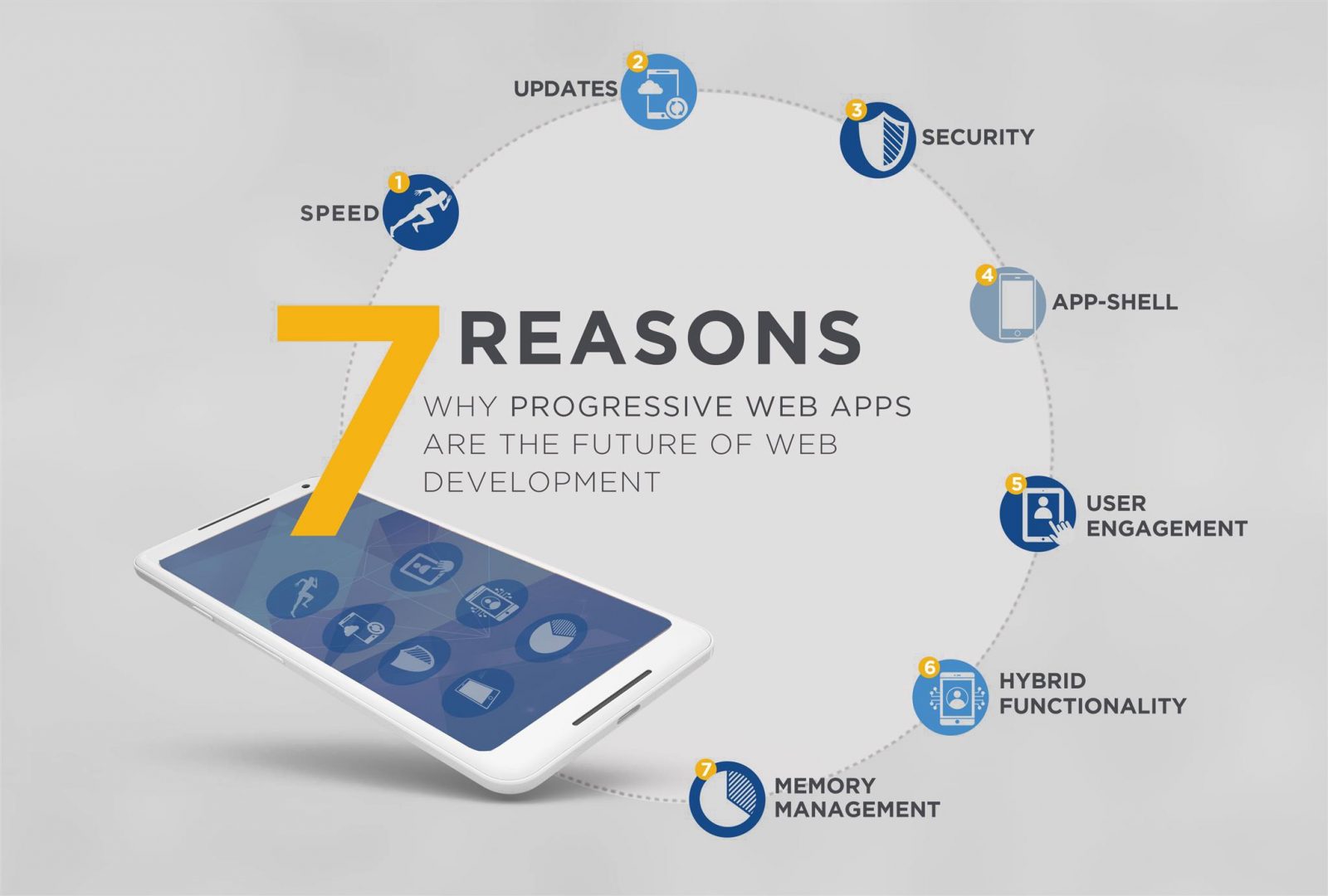
For years, Nigerian businesses faced an expensive dilemma: build a website, or invest far more in a mobile app that customers might never bother to download. Progressive Web Apps (PWAs) have quietly dissolved that choice. A PWA is a website that behaves like a mobile app — installable on a phone's home screen, fast, able to work offline, and capable of sending notifications — without the cost of building separate apps or the friction of an app-store download. For a market as mobile-first and data-conscious as Nigeria, this technology is genuinely transformative. This guide explains what PWAs are, why they matter for Nigerian businesses, how they compare to traditional apps and websites, how they are built, and whether one is right for you and your customers.
We build these for clients. DPX Digital Network (Design Planet Xperience, RC 3048318) helps Nigerian businesses turn their websites into apps, and this guide reflects practical experience with what PWAs can and cannot do.
What a progressive web app is
A progressive web app is a website built with modern technology so that it can behave like a native mobile app. To the user, a good PWA feels like an app: they can add it to their phone's home screen with an icon, open it full-screen without the browser bars, use it quickly and smoothly, and in many cases continue using parts of it even with a poor or absent internet connection. It can also send push notifications, just like an app. Yet underneath, it is still a website — accessed through a normal web address, with no app store required. This combination gives businesses the reach and simplicity of the web with much of the experience and engagement of a native app, which is why PWAs have become such an appealing option.
Why PWAs matter especially in Nigeria
PWAs are well suited to the realities of the Nigerian market. Because most Nigerians browse on mobile, often on mid-range Android phones and metered data, the efficiency of a PWA is a real advantage. PWAs are typically lightweight, using far less data and storage than a native app that must be downloaded and installed — a meaningful benefit where data is paid for by the megabyte and phone storage is often limited. They remove the download barrier: many people are reluctant to download an app for a business they are still evaluating, but they will happily use a website, and a PWA lets that website be "installed" later with a single tap if they choose. They can work with unreliable connectivity, caching content so the experience does not collapse the moment the network drops. And they reach everyone, because they work through a web link that can be shared anywhere. For businesses whose customers are cost-conscious and mobile-first, these strengths directly translate into better reach and engagement.
PWAs versus native apps
A native app is built specifically for a platform like Android or iOS and downloaded from an app store. It can offer the deepest integration with a phone's hardware and the smoothest possible performance for demanding applications, but it comes at a cost: it is expensive to build (often twice, once for each platform), must pass app-store review, requires users to find and download it, and needs ongoing updates that users must install. A PWA, by contrast, is far cheaper to build and maintain because it is a single web-based product serving all devices; it needs no app store; it is installed with a tap; and it updates automatically like any website. The trade-off is that a PWA cannot access every advanced device feature a native app can, and for certain very demanding applications — graphics-heavy games, for instance — a native app remains superior. But for the vast majority of business applications — stores, services, booking, content, dashboards — a PWA delivers most of the benefit of a native app at a fraction of the cost and friction.
PWAs versus ordinary websites
Compared with an ordinary website, a PWA adds app-like capabilities: installability, offline functionality, push notifications, and often a smoother, faster feel. An ordinary website is opened afresh in a browser each time and does nothing when the connection drops; a PWA can live on the home screen, open instantly, and keep working offline. For a business, the practical benefit is engagement: customers who install your PWA are far more likely to return, because your icon sits on their home screen and you can gently re-engage them with notifications. In effect, a PWA upgrades a website from something people visit occasionally into something that behaves like an owned channel, closer to an app, without asking customers to commit to a download before they see the value.
What businesses use PWAs for
PWAs suit a wide range of business needs. Online stores use them to give shoppers a fast, app-like experience with home-screen access and re-engagement, without the barrier of an app download. Service businesses use them for booking and account access that customers can reach instantly. Content and media businesses use them to deliver articles and updates that load quickly and work offline. Internal business tools and dashboards benefit from installability and cross-device access without deploying to app stores. And businesses that want an app presence but cannot justify the cost of native development use a PWA as a cost-effective way to give customers an app-like experience now. In each case the PWA offers a pragmatic middle path — more than a website, cheaper and simpler than a native app.
Are there limitations?
PWAs are powerful but not a universal answer, and it is worth being honest about their limits. They cannot access every advanced hardware feature that native apps can, though the gap narrows every year. On Apple devices, support for some PWA features has historically been more limited than on Android, so the experience can vary by platform. And for applications that demand the absolute highest performance or deep device integration — certain games or specialised tools — a native app is still the better choice. For most Nigerian business needs, however, these limitations rarely matter, and the advantages in cost, reach, and simplicity far outweigh them. The right question is not whether a PWA is technically inferior to a native app in every respect — it is whether a PWA does everything your business actually needs, which for most businesses it does.
How a PWA is built
You do not need to understand the technical details to benefit from a PWA, but a general sense of how one is created helps you brief a developer and know what to expect. A PWA starts with a well-built, responsive website — the foundation everything else rests on. To that foundation, developers add a few key capabilities: a small configuration file that tells the phone how to "install" the site to the home screen with your icon and name; a background component that caches content so the app loads instantly and can work offline; and, optionally, the setup needed to send push notifications. Because these are enhancements to a website rather than a separate build, a PWA is created once and works across Android, iOS, and desktop from the same codebase. This is precisely why it is so much more economical than building and maintaining separate native apps. The most important implication for a business owner is that the quality of your PWA depends entirely on the quality of the website beneath it: a PWA built on a slow, poorly structured site will itself be poor, while one built on a fast, well-designed site will feel genuinely app-like. Investing in a strong website foundation is therefore the real key to a successful PWA.
The growing role of PWAs
Progressive web apps are not a passing trend; they represent a durable shift in how businesses reach mobile users. Major global companies have adopted PWAs and reported significant gains in engagement and conversion alongside dramatic reductions in data usage and load times — results that are especially relevant in markets like Nigeria. As mobile continues to dominate and as the technology matures, the gap between PWAs and native apps continues to narrow, making the web-based approach ever more capable. For Nigerian businesses in particular, where cost-efficiency, data-consciousness, and broad reach all matter, PWAs are likely to become an increasingly default choice rather than a niche alternative. Adopting one now positions a business to engage mobile customers effectively and affordably, and to benefit as the technology grows more powerful. Rather than waiting for the "perfect" moment, businesses that embrace the app-like web experience today gain an edge in engagement over competitors still relying on ordinary websites or unable to justify the cost of native apps.
Should your business consider a PWA?
A PWA is worth serious consideration if your customers are mobile-first and data-conscious (as most Nigerians are), if you want an app-like experience without the cost of native development, if the app-store download barrier is holding back adoption, or if you want customers to re-engage through home-screen access and notifications. It is especially attractive if you already have or need a website, since the PWA builds on that single foundation to serve every device. If, on the other hand, you need very advanced device features or maximum performance for a demanding application, a native app may be justified. For a great many Nigerian businesses, though, the sensible path is a strong website built as a PWA — giving you web reach and app-like engagement together. Our guide on how to convert a website to an app explains the options in more detail.
Frequently asked questions
What is a progressive web app?
A website built to behave like a mobile app — installable on a phone's home screen, fast, able to work offline, and able to send notifications — without an app-store download. It combines the reach of the web with much of the experience of a native app.
How is a PWA different from a normal app?
A native app is downloaded from an app store and built separately for each platform, making it costly. A PWA is a single web-based product installed with a tap, updated automatically, and far cheaper to build and maintain, though it cannot access every advanced device feature.
Why are PWAs good for Nigerian businesses?
They are lightweight on data and storage, remove the download barrier, can work with unreliable connectivity, and reach everyone through a web link — all well suited to Nigeria's mobile-first, data-conscious, cost-sensitive market.
Can a PWA work offline?
Yes, to a degree. A PWA can cache content so that parts of it keep working even when the connection drops or is poor, which is a real advantage in areas with unreliable internet.
Is a PWA cheaper than a native app?
Generally, yes — significantly. Because a PWA is a single web-based product rather than separate Android and iOS apps, it is cheaper to build and maintain, with no app-store process. For most business needs it delivers most of the benefit at a fraction of the cost.
Can I turn my existing website into a PWA?
Often, yes. A well-built website can be enhanced into a PWA, adding installability, offline capability, and notifications. If the underlying site is weak, building it properly first is worthwhile, since the PWA is only as good as the website beneath it.
Give customers an app without the app-store barrier
Progressive web apps let Nigerian businesses offer a fast, installable, app-like experience without the cost of native development or the friction of a download — a natural fit for a mobile-first, data-conscious market. For most businesses, a strong website built as a PWA delivers the best of both worlds. If you would like to explore whether a PWA is right for your business, talk to the DPX team. We will give you an honest recommendation based on what your customers actually need and what your business can justify, and the first conversation is free and without obligation.