Hiring someone to build your app is one of the bigger decisions a growing business makes, and it is easy to get wrong. Plenty of Nigerian businesses have paid for an app that was never finished, cannot be updated, or sits on a developer's personal account where the owner cannot reach it. Almost all of those problems can be avoided before any money changes hands. This guide covers what to check, what to ask, and what a fair agreement looks like.
Freelancer, agency or in-house: which do you need?
There are three common ways to get an app built, and each suits a different situation.
- A freelancer usually costs the least and can suit a small, clearly defined app. The risk is that one person is the designer, developer, tester and support desk. If they get busy or disappear, your project stops with them.
- An agency costs more than a freelancer, but you get design, development, testing and publishing from one team, with someone accountable for the whole result. This suits most businesses that do not have technical staff.
- An in-house team makes sense once the app is your core product and needs constant work. Salaries continue whether or not there is work to do, so it is rarely the right place to start.
Whichever you choose, the checks below apply. We are an agency, so weigh our view accordingly: a good freelancer is better than a poor agency.
Ask to install their apps
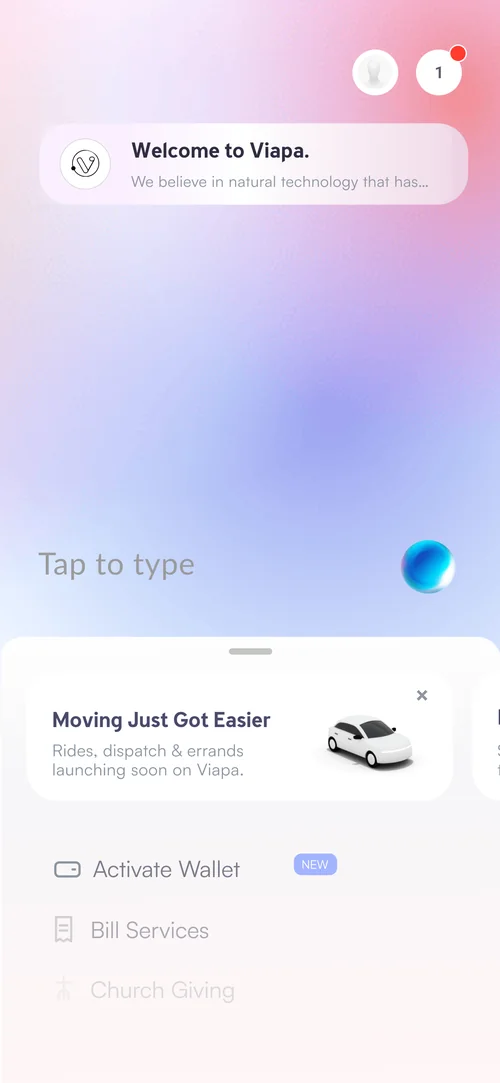
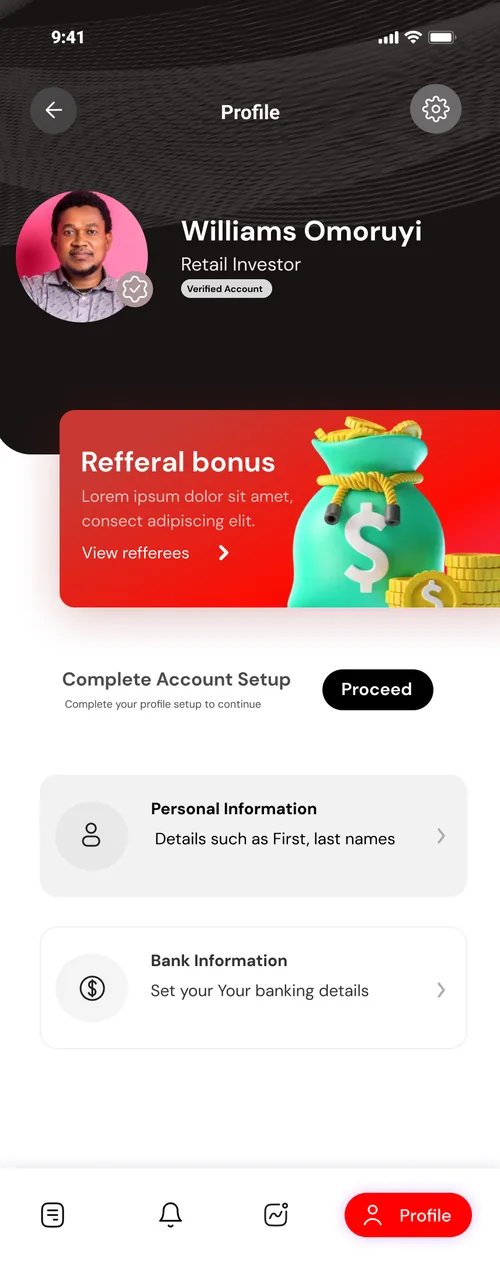
This is the most useful check there is, and it takes ten minutes. Do not settle for screenshots or a slide deck, which can be made for an app that never existed. Ask for links to live apps on Google Play or the App Store, install two or three, and use them.
- Does the app open quickly on an ordinary phone?
- Do the buttons respond straight away, and do things make sense without instructions?
- What happens when you turn off your data in the middle of a task?
- When was it last updated, and what do the reviews say?
Then ask the question that matters: which part of this app did you personally build? Then ask if you can speak to the client. A developer proud of the work will happily connect you.
Make sure you will own everything
This is where most disputes begin, so get it in writing before you pay. You should own:
- The source code, handed over in a repository you control, not only at the end of the project.
- The store accounts. The app must be published under your own Google Play and Apple developer accounts. An app on a developer's account can be very hard to recover.
- The server and database accounts, with the logins in your name, including the domain name.
- The design files, so another designer could continue the work.
If a developer resists any of this, treat it as your answer, however good the price looks.
Get a quote you can compare
A single figure on WhatsApp tells you very little. A proper quote lists each feature with its price, and states what is included: design, testing, publishing and a period of support after launch. It should also say what is not included, such as server costs, SMS fees and store fees.
To get quotes you can compare, send every developer the same written brief: who the app is for, the three to five things it must do, and any app you would like it to resemble. For reference, a custom app from DPX starts at ₦1,300,000 for Android and ₦1,500,000 for iOS, with features priced individually, and our guide to what an app costs in Nigeria breaks down the numbers. A quote far below the market usually means something is missing, and you tend to discover what it was after launch.
Pay in milestones, against work you can see
Avoid paying the whole amount up front. A common structure splits payment across agreed stages, such as approved designs, a working test version, and publication in the stores. Each payment should follow something you can see and try for yourself. Ask for a test version of the app on your own phone early and regularly, rather than waiting for one big reveal at the end. Your agreement should also include a written timeline, and say what happens if either side wants to stop.
Questions to ask before you sign
- Who exactly will work on my app, and who is my single point of contact?
- Will it work well on mid-range Android phones and on poor networks?
- How will you protect users' data and payments?
- Will you handle the store review if Google or Apple rejects the app?
- What support is included after launch, and what does maintenance cost after that?
- If we stop working together, how quickly do I get everything?
Listen to how they answer as well as what they say. A good developer will also question your idea, and may suggest building less at first. If you are not sure you need an app at all, read whether an app or a mobile website is right for you first.
Warning signs
- No live apps you can install, only mockups.
- A fixed price given before anyone asks what the app must do.
- A demand for full payment before work begins.
- The app, code or servers kept on their accounts "to make things easier".
- Agreement to every request, with no questions and no pushback.
Start with the design if you are unsure
If you are not ready to commit to a full build, start small. A mobile app design project gives you a clickable prototype you can test with customers and a clear plan to take to any developer. It also shows you what working with that team is like, at a fraction of the cost of the full app.
When you are ready, see how we work on our mobile app development page, where you can install the apps we have built, or request a quote with your brief.