One Codebase
Android and iOS built from the same code and updated together.
One Codebase for Android and iOS
DPX builds Flutter apps in Nigeria: one codebase for Android and iOS, designed for the phones and networks your users actually have. Android apps start from ₦1,300,000 and iOS from ₦1,500,000, with store publishing included, an itemised quote, and the source code and store accounts in your name.
Flutter app development at DPX starts at ₦1,300,000 for Android and ₦1,500,000 for iOS, and one Flutter codebase can serve both. Features are priced on top, such as user accounts from ₦200,000, payments from ₦300,000 and an admin dashboard from ₦400,000. Most projects take 6-12 weeks, every quote is itemised, and you own the source code and store accounts.
Android and iOS built from the same code and updated together.
Tested on the mid-range phones most Nigerian users carry.
Apple conventions, App Store listing and review handled for you.
Light screens, compressed images and offline mode where needed.
Paystack and Flutterwave for card, bank transfer and USSD.
Flutter, native or another approach, recommended per project.
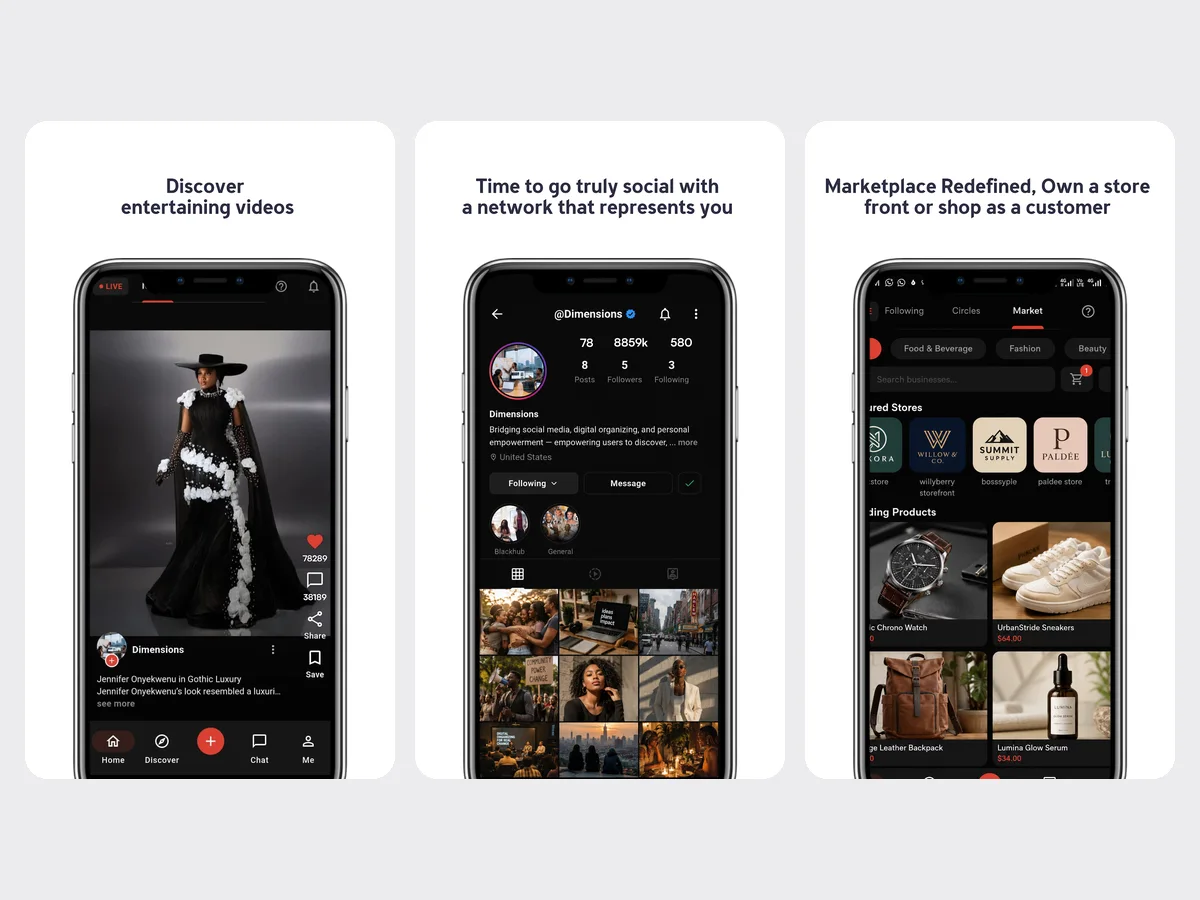
Community app built with Flutter for Android and iOS: video feed, social profiles, live sessions, community circles and member storefronts.
Live on Google Play ↗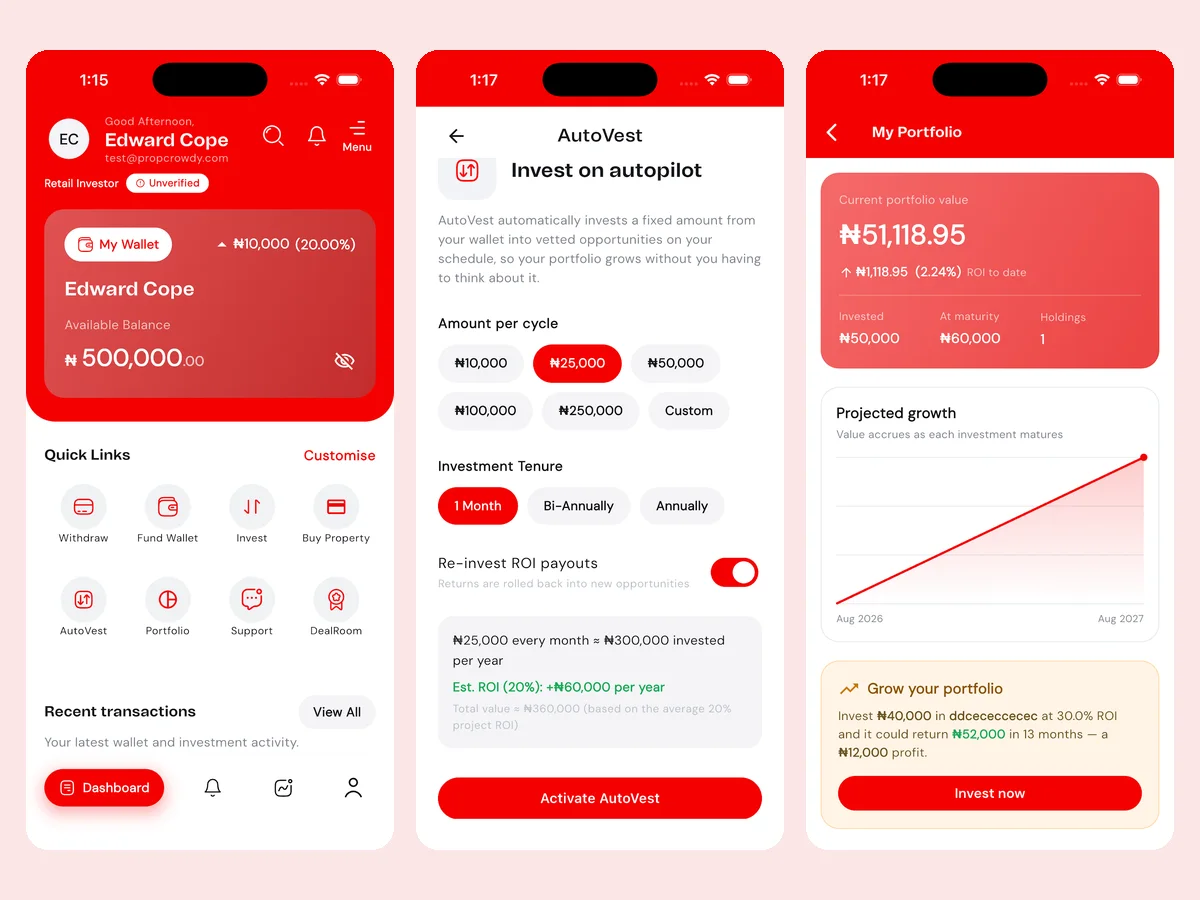
Real estate investment app: wallet, investing in vetted property developments, AutoVest recurring investing and portfolio growth.
Live on Google Play ↗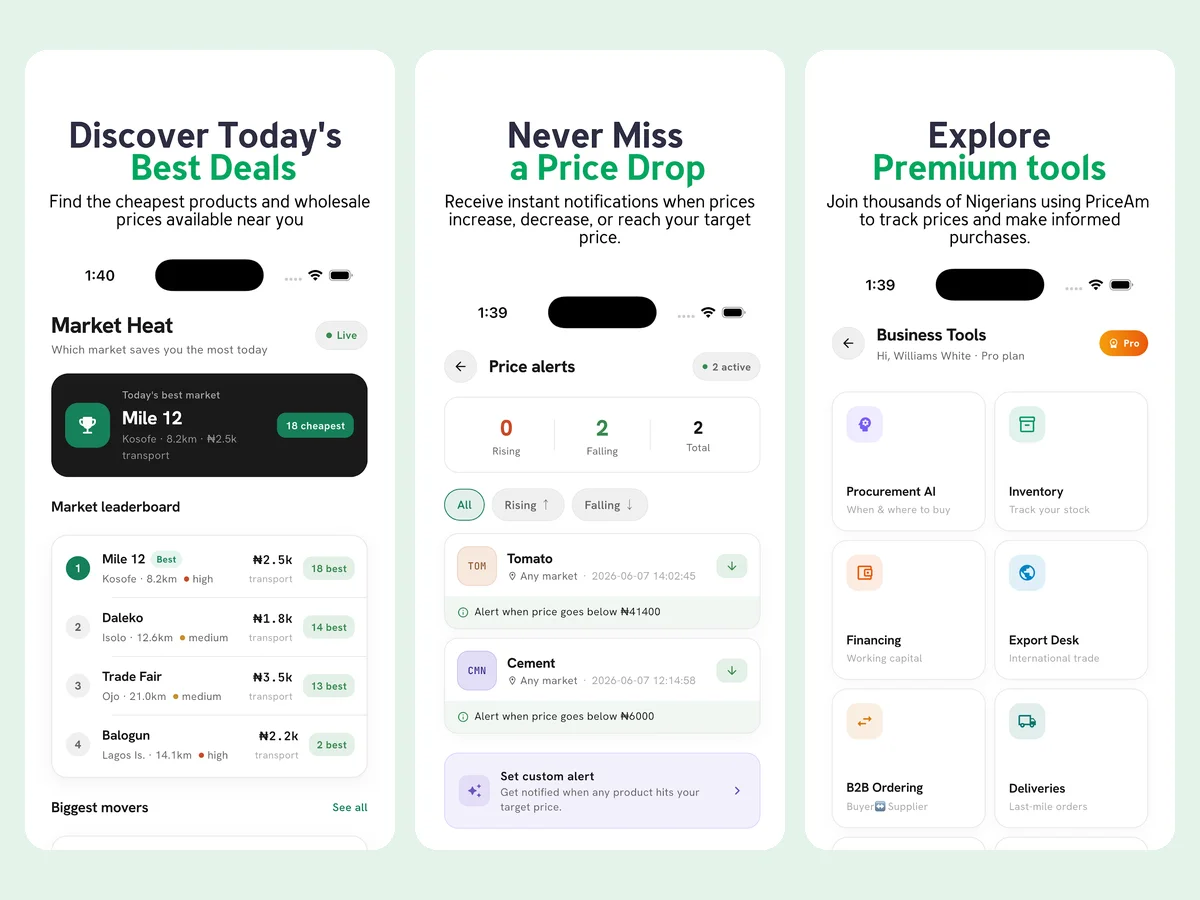
Market price discovery app: compare foodstuff and building material prices across Lagos markets, with price-drop alerts.
Live on Google Play ↗We scope the app and recommend Flutter, native or another approach, with reasons in writing.
User flows, wireframes and a clickable prototype, approved before development starts.
Working builds on real Android phones and iPhones at every milestone.
Google Play and App Store publishing under your accounts, with maintenance after launch.
Flutter is Google’s toolkit for building mobile apps from a single codebase. Instead of writing one app for Android and a second for iPhone, the team writes the screens and logic once and Flutter builds both. For most Nigerian businesses that means one set of features to design, test and maintain, and updates that reach Android and iOS users together. It does not make the second platform free: an iOS release still needs testing on iPhones, its own App Store listing and review, and Apple’s US$99 yearly developer fee, alongside Google Play’s one-off US$25 registration. Store publishing is included in our price. What one codebase saves you is the cost and drift of keeping two separate apps in step as the product grows.
Most Nigerian users are on mid-range Android phones and patchy networks, so many products launch on Android first, from ₦1,300,000, and add iOS when the numbers justify it. Building in Flutter keeps that door open: the iOS version comes from the same code rather than a rewrite. Whichever platform comes first, we design for the phones people actually carry. Screens stay light on data, images are compressed, and offline mode, from ₦200,000, keeps the app useful when the connection drops. We test on real Android devices across price ranges, not only on a developer’s new phone. Payments run through Paystack or Flutterwave, from ₦300,000, covering card, bank transfer and USSD, which is how Nigerian customers expect to pay.
Some products should launch on iPhone first or at the same time: apps for professionals, premium services, or customers in the diaspora. Our iOS apps start from ₦1,500,000, and with Flutter the same build gives you an Android version as well. iPhone users expect apps that behave like iPhone apps, so we follow Apple’s conventions for navigation, permissions and gestures rather than shipping Android screens on an iPhone. App Store review is stricter than Google Play’s, and we prepare the listing, privacy details and test accounts Apple asks for, then handle the submission. The app is published under your own Apple developer account, so the listing, reviews and customers belong to your business, not to us.
Flutter is not the answer to every brief. A fully native app, written separately for Android and iOS, can be the better choice when the product leans heavily on device features, such as complex background processing, deep integration with hardware, or brand-new platform features the day Apple or Google release them. React Native is another cross-platform option, built on JavaScript, and it can suit a team that already works in that language. We do not push one tool on every client. During discovery we look at what the app must do, who will maintain it after launch and what it will cost over time, then recommend Flutter, native or another approach for that project, and put the reasons in writing.
Dimensions 2.0 is built with Flutter for Android and iOS and is live on Google Play. It is a community app with a video feed, social profiles, live sessions, community circles and a marketplace where members run their own storefronts, so it exercises much of what Flutter has to handle: media, real-time features and commerce in one product. Our other live apps on Google Play, PropCrowdy for real estate investment and PriceAM for comparing market prices across Lagos, show the rest of our process: design, development, store review and maintenance after launch. Every project includes user flows, wireframes and a clickable prototype before development, and the client owns the source code, store accounts, servers and databases.
Client perspectives
Since our new store launched, sales have increased by 50%. The checkout experience is seamless and our customers love it.
Flutter is Google’s toolkit for building mobile apps from one codebase. The same code produces an Android app and an iOS app, so features are built, tested and updated once.
Android apps start from ₦1,300,000 and iOS from ₦1,500,000, with features priced on top, such as accounts from ₦200,000 and payments from ₦300,000. Your quote lists every item.
For most business apps, one Flutter codebase is the sensible choice. Native can be better for apps that lean heavily on device hardware or background processing. We recommend per project and explain why.
React Native is another cross-platform option. We recommend the approach that suits each project after discovery; our live Flutter app is Dimensions 2.0 on Google Play.
Yes. The stores set them: Google Play charges a one-off US$25 registration and Apple charges US$99 a year. Preparing the listings and submitting for review is included in our price.
You do. The source code, store accounts, servers and databases are in your name, and apps are published under your own developer accounts. Maintenance is available after launch.