Customer Ordering App
Book pickups, drop a pin, see the price and follow the order.
Apps for Riders, Customers and Dispatch
DPX designs and builds logistics and delivery apps in Nigeria: customer ordering apps, rider and driver apps, live order tracking with maps, and dispatch dashboards for your operations team. Android apps start from ₦1,300,000 and iOS from ₦1,500,000, with an itemised quote and the code and store accounts in your name.
A delivery app from DPX starts at ₦1,300,000 for Android and ₦1,500,000 for iOS, plus the features it needs: maps and live tracking from ₦250,000, a dispatch dashboard from ₦400,000, Paystack or Flutterwave payments from ₦300,000 and push notifications from ₦150,000. Most projects take 6-12 weeks, every quote is itemised, and the code and store accounts are in your name.
Book pickups, drop a pin, see the price and follow the order.
Accept jobs, navigate and update each parcel in one tap.
Rider location on a map for customers and your dispatch team.
Assign jobs, watch active riders and handle failed deliveries.
Photo, signature or one-time code, stored with time and place.
Paystack, Flutterwave, transfers and cash reconciled per rider.
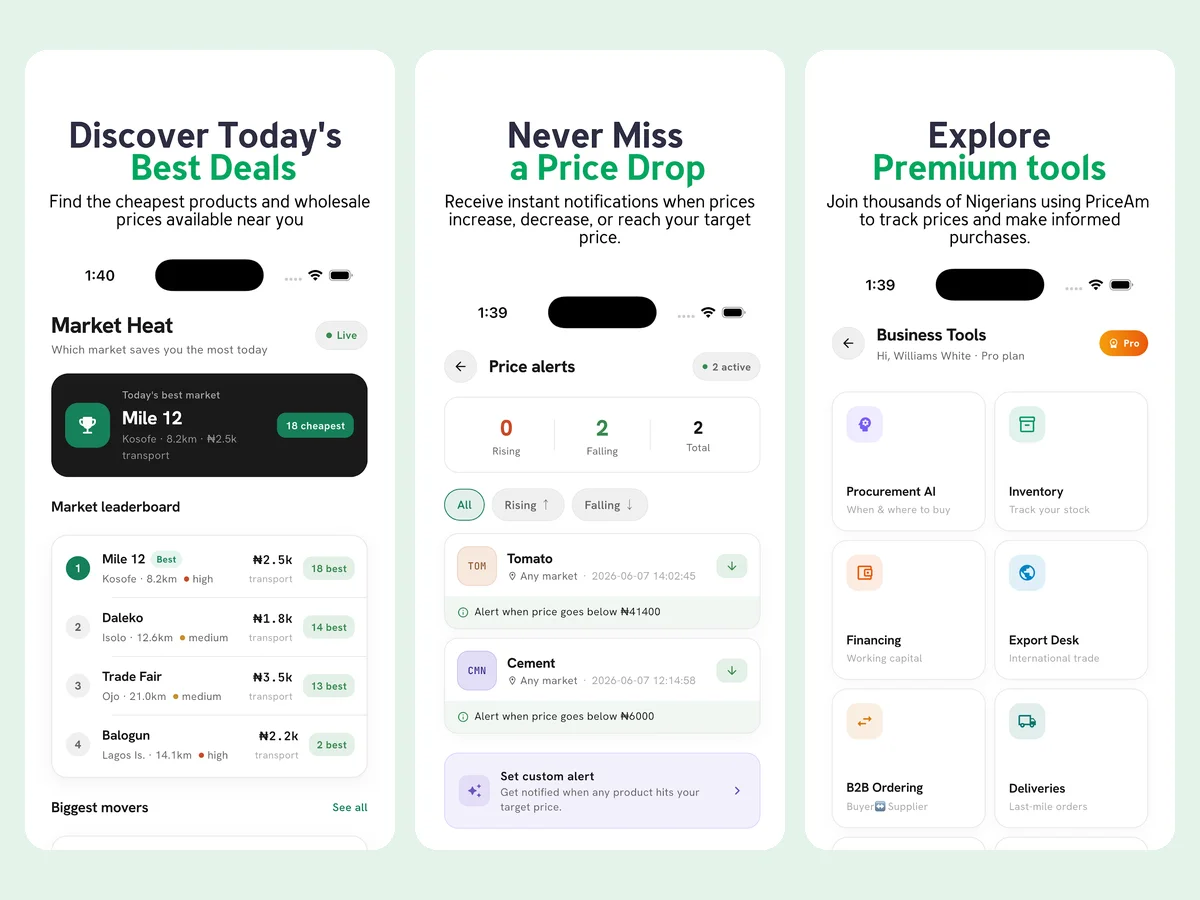
Market price discovery app: compare foodstuff and building material prices across Lagos markets, with price-drop alerts and watchlists.
Live on Google Play ↗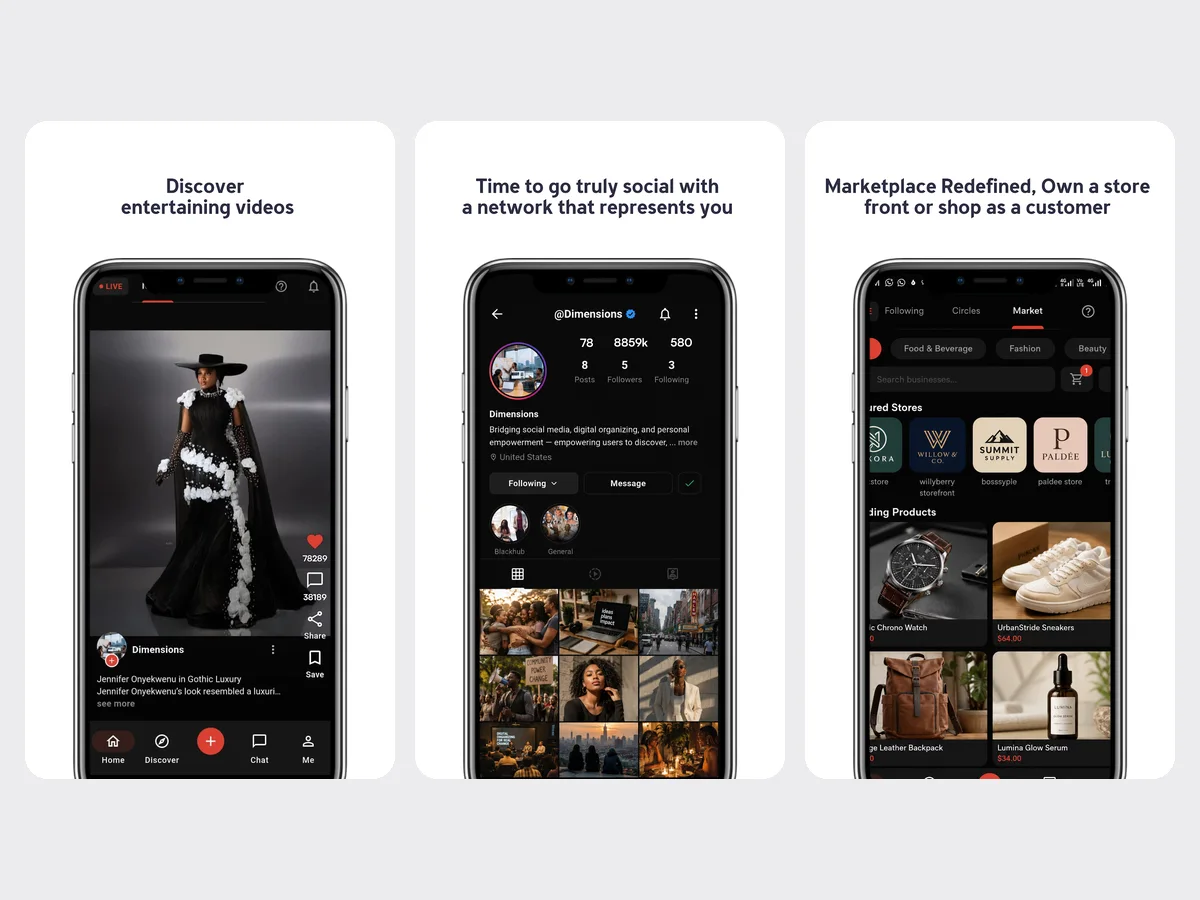
Community app with a video feed, social profiles, live sessions, community circles and member storefronts.
Live on Google Play ↗We map how an order moves from request to doorstep, then agree an itemised scope and price.
User flows, wireframes and a clickable prototype of the customer, rider and dispatch screens.
Working builds at each milestone, tested on real phones and real Lagos roads.
Google Play and App Store publishing under your accounts, with maintenance after launch.
Most logistics businesses that ask for “an app” need three connected pieces. The customer app is where people book a pickup, enter addresses, see the price and follow the order. The rider or driver app is where your team accepts jobs, navigates, updates the status of each parcel and records the handover. The dispatch dashboard is where your operations staff assign jobs, watch riders, handle failed deliveries and see the day’s numbers. Some businesses start with only the rider app and dashboard, because their orders already arrive by phone and WhatsApp. That is a sensible first phase and a cheaper one. We help you decide which pieces your operation needs now and which can wait, and we quote each one separately so you can see where the money goes.
Live tracking is the feature customers notice most. The rider app shares its location while a job is active, the customer sees the rider moving on a map, and the dashboard shows every active rider at once. Maps and location start from ₦250,000 on our price list. The details matter more than the map itself: how often the phone reports its position, so riders’ batteries and data last a full shift; what happens when a rider loses signal under a bridge; and how the dashboard flags a job that has not moved in twenty minutes. Addresses in Nigeria are often a street name and a landmark, so we let customers drop a pin, add directions in plain words and call the rider from inside the app.
Disputes are cheaper to prevent than to settle. Proof of delivery can be a photo of the parcel at the door, the recipient’s signature on the rider’s screen, or a one-time code the customer reads out, and each record is stored against the order with a time and location. Payment has to match how Nigerians actually pay. Card, bank transfer and USSD run through Paystack or Flutterwave, from ₦300,000. Cash on delivery stays common, so the rider app records cash collected per order and the dashboard reconciles each rider’s cash at the end of the day. If you plan to hold customer funds in a wallet, that may need a CBN licence or a licensed partner; the licensing is yours to arrange, and we build the product around it.
Your riders work on mid-range Android phones, in traffic, with networks that drop in and out. We design the rider app for that. Buttons are large enough to tap with gloves on, the most common actions take one tap, and offline mode, from ₦200,000, queues status updates and proof-of-delivery photos until the phone reconnects, so nothing is lost and nobody has to re-enter a job. Push notifications, from ₦150,000, tell riders about new jobs and tell customers when their order is close. Customer and rider data is personal data under the Nigeria Data Protection Act 2023, so location history, phone numbers and addresses are stored securely, kept only as long as you need them, and visible only to staff whose role requires it.
We have not yet published a delivery app, and we would rather you heard that from us. What we have shipped is Android apps that are live on Google Play: PriceAM, where people compare foodstuff and building material prices across Lagos markets and get price-drop alerts, and Dimensions 2.0, a community app with a video feed, live sessions and a marketplace where members run storefronts. Neither uses maps; they show that we can take an app through design, development and store review to real users. On the logistics side, we built the website for Olamajesty Global Logistics, which helps customers buy in the USA and ship worldwide. A delivery app would be built the same way: written scope, prototype first, milestones, and code that belongs to you.
Client perspectives
Since our new store launched, sales have increased by 50%. The checkout experience is seamless and our customers love it.
Android apps start from ₦1,300,000 and iOS from ₦1,500,000. Features are priced on top: maps and location from ₦250,000, a dispatch dashboard from ₦400,000, payments from ₦300,000 and push notifications from ₦150,000. Your quote lists every item.
Usually, yes, because they do different jobs. Customers book and track; riders accept, navigate and record the handover. Both connect to one dispatch dashboard. Many businesses start with the rider app and dashboard only.
Yes. The rider app records cash collected against each order, and the dashboard reconciles each rider’s cash at the end of the day. Card, transfer and USSD payments run through Paystack or Flutterwave.
With offline mode, status updates and proof-of-delivery photos are saved on the phone and sent when the connection returns, so the job record stays complete.
Not yet. Our live apps on Google Play are PriceAM and Dimensions 2.0, and we built the website for Olamajesty Global Logistics. A delivery app follows the same process: scope, prototype, milestones and store launch.
Most app projects take 6-12 weeks. A rider app and dashboard on their own sit at the shorter end; a customer app, rider app and dashboard together sit at the longer end, and you get the timeline in writing.